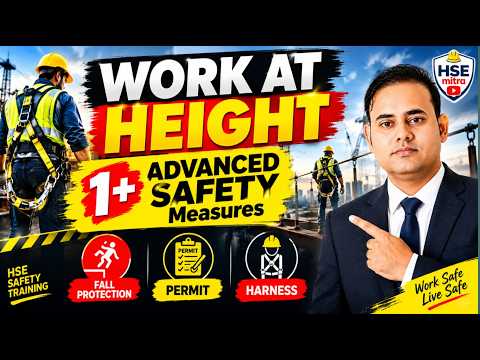
Working at heights remains one of the most hazardous activities across construction, manufacturing, and maintenance sectors. Fall hazards account for a significant percentage of workplace injuries and fatalities every year. Prioritizing robust industrial safety measures is not just about meeting regulatory compliance—it is about safeguarding lives and fostering a secure working environment.
Whether you are an HSE professional, a safety officer, or a site supervisor, implementing advanced work-at-height safety rules is crucial for effective risk mitigation.
Essential Pre-Work Planning and Risk Assessment
Before any task at an elevated level begins, thorough planning is imperative. Work at height remains a primary focus area in modern industrial safety management, requiring a systematic approach before anyone leaves the ground:
- Permit to Work (PTW): Ensure a comprehensive permit system is active, verifying that all hazards have been identified and controlled.
- Job Safety Analysis (JSA): Conduct a detailed assessment of potential risks specific to the location, task, and environmental conditions.
- Inspect Equipment Thoroughly: Before every use, inspect Personal Fall Arrest Systems (PFAS)—including full-body harnesses, lanyards, carabiners, and lifelines—for any signs of wear, stress, or damage.
Advanced Work-at-Height Safety Rules
To effectively protect workers operating at elevated levels, HSE officers must strictly enforce key safety protocols:
- Enforce a 100% Tie-Off Policy: Workers must remain anchored at all times using double-lanyard systems, ensuring continuous attachment when moving between anchor points.
- Utilize Certified Anchor Points: Anchors must be capable of supporting designated weight limits and be verified by a qualified safety professional.
- Implement Edge Protection: Install guardrails, mid-rails, and toe-boards around open edges to prevent both personnel falls and falling objects.
- Maintain Proper Housekeeping: Keep elevated walkways and scaffold platforms clean and free of loose tools, debris, or tripping hazards.
- Establish an Emergency Rescue Plan: Always have a clear, site-specific rescue strategy to respond immediately to potential suspension trauma or equipment failure.
Building a Strong Safety Culture
Establishing sustainable site practices requires continuous education and commitment from leadership to frontline staff. Driving a strong culture of industrial safety involves conducting regular toolbox talks, performing frequent safety audits, and empowering every employee with the authority to stop unsafe work. By adhering to these advanced safety measures, organizations can drastically minimize workplace accidents and ensure every worker returns home safely.