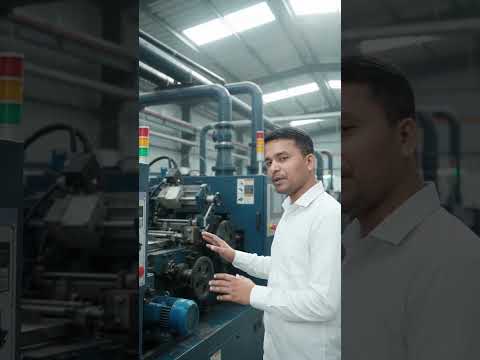
In the fast-paced world of industrial production, the ability to operate heavy-duty machinery is both a skill and a significant responsibility. Whether you are a seasoned operator or a newcomer to the shop floor, understanding the nuances of equipment safety is a cornerstone of modern manufacturing engineering. Operating these powerful tools requires more than just pushing buttons; it demands a deep respect for safety protocols and a systematic approach to the daily workflow.
The Pre-Operational Protocol
Before any machine is powered on, safety begins with a thorough inspection. This phase is critical to ensure that every component is functioning as intended. Operators should always start by donning the appropriate Personal Protective Equipment (PPE), such as steel-toed boots, safety goggles, and high-quality ear protection.
A quick walk-around of the machine can reveal potential hazards like loose bolts, fluid leaks, or frayed cables. By integrating these checklists into your daily routine, you uphold the high standards of safety and reliability expected in professional manufacturing engineering environments.
Operating with Precision and Care
Once the machine is running, focus is your best defense against accidents. Every piece of industrial equipment has its own set of operational limits and emergency shut-off procedures. It is essential to stay within the manufacturer’s specified parameters to prevent mechanical failure.
Communication also plays a vital role. Ensure that colleagues in the vicinity are aware that the machine is active. Keep the workspace clear of debris and never bypass safety guards or sensors. These features are designed to protect the operator, and interfering with them compromises the integrity of the entire production line.
Maintenance and Shutdown Procedures
The job isn’t finished when the production run ends. Proper shutdown and post-operational maintenance are vital for the longevity of the equipment. Following a strict "Lock Out, Tag Out" (LOTO) procedure ensures that the machine cannot be accidentally restarted while maintenance or cleaning is being performed.
Consistent maintenance not only prevents costly downtime but also ensures that the machinery remains safe for the next shift. By treating industrial equipment with care and following these essential steps, you contribute to a culture of excellence and safety that defines the peak of the industry.