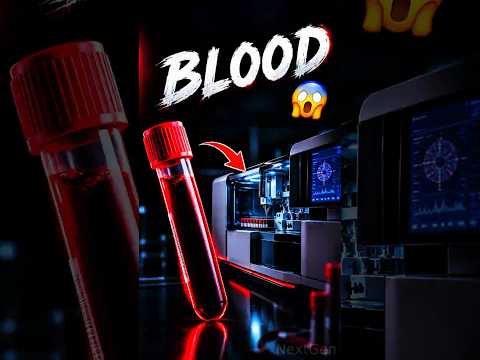
Have you ever wondered what actually happens to your blood sample after a doctor draws it? Most of us simply wait a day or two for a neat digital report to arrive in our inbox. But behind the laboratory doors, a fascinating technological process takes place inside state-of-the-art diagnostic analyzers.
What Happens Inside a Blood Testing Machine?
When a vial of blood enters a modern medical laboratory, it is fed directly into a high-tech diagnostic system. These sophisticated devices perform complex biological and chemical evaluations in a matter of minutes—tasks that previously took human technicians hours to complete manually.
First, an automated barcoding system scans the sample to match it with the patient's records and required tests. Next, specialized mechanical arms place the blood into a centrifuge if separation of plasma from red blood cells is required. Micro-pipettes then draw exact microscopic measurements of the fluid and combine them with specific reagents to trigger measurable chemical reactions.
The Precision of Automated Machinery in Diagnostics
The true magic of modern clinical laboratories lies in the seamless integration of automated machinery. These high-precision systems virtually eliminate human error, ensuring that every single test is conducted with absolute consistency and accuracy.
Inside the analyzer, advanced optical sensors, lasers, and spectrophotometers go to work. For example, during a Complete Blood Count (CBC), laser beams shine through a microscopic fluid stream to count individual red cells, white cells, and platelets. Complex automated machinery can process hundreds of these samples simultaneously without any risk of cross-contamination, thanks to automatic needle-washing cycles built directly into the hardware.
Why Laboratory Automation Matters
The shift from manual slide examination to robust automated machinery has fundamentally transformed modern medicine. It enables hospitals and clinics to handle massive volumes of patient samples daily while dramatically reducing processing times.
Fast, reliable diagnostic results mean doctors can identify illnesses sooner and start targeted treatments faster. Next time you get a routine blood test, you can appreciate the incredible engineering working behind the scenes to deliver precise health data in the blink of an eye.