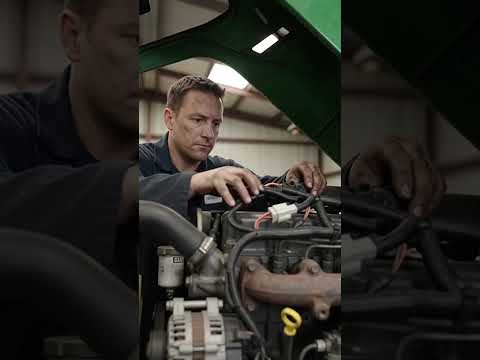
Keeping your agricultural and heavy equipment operating at peak performance requires more than just luck—it demands a systematic approach to care. Whether you are managing a large fleet or operating a single tractor, routine engine inspections are the backbone of equipment longevity. By applying modern principles of maintenance engineering, you can prevent costly breakdowns, maximize fuel efficiency, and ensure your machinery runs like new for years to come.
Key Steps for a Thorough Tractor Engine Inspection
A comprehensive engine check goes beyond a quick glance under the hood. To keep your heavy machinery in top shape, follow these essential inspection steps:
- Check Fluid Levels and Quality: Engine oil, coolant, and hydraulic fluids are the lifeblood of your tractor. Inspect fluid levels regularly, and check for signs of contamination—such as dark or milky oil—which can indicate internal leaks.
- Inspect Belts and Hoses: Over time, rubber components degrade. Look for cracking, fraying, or loose tension in belts, and check hoses for soft spots or leaks that could cause sudden engine overheating.
- Examine Air and Fuel Filters: Dust and debris are the ultimate enemies of heavy machinery engines. Ensure air filters are clean, and replace fuel filters according to manufacturer guidelines to maintain optimal combustion and power output.
- Monitor the Battery and Electrical Systems: Inspect battery terminals for corrosion and ensure all wiring harnesses are secure. Poor electrical connections can lead to unexpected starting issues and system failures.
The Value of Maintenance Engineering in Fleet Operations
Incorporating structured maintenance engineering into your operational routine shifts your strategy from reactive repairs to proactive management. Instead of waiting for an engine component to fail during peak season, scheduled inspection protocols allow operators to identify minor wear and tear before it escalates into a catastrophic failure.
This strategic approach not only minimizes unexpected downtime but also optimizes fuel efficiency and reduces total operational costs. A simple 15-minute engine check today can save thousands of dollars in major overhauls tomorrow.
Conclusion
Engine care should never be an afterthought. By making routine inspections a non-negotiable habit and leveraging practical maintenance engineering concepts, you safeguard your heavy equipment investment and keep your operations running seamlessly. Start implementing these essential engine inspection steps today!