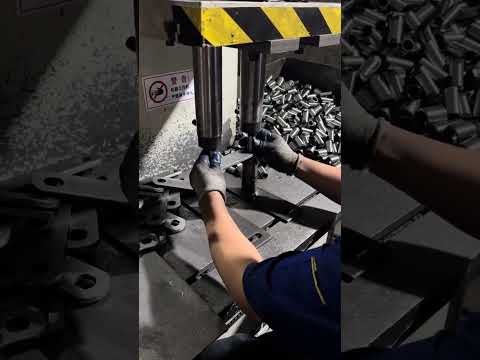
In modern manufacturing, speed and precision must go hand in hand. Every piece of heavy machinery relies on intricate assembly processes where even the smallest detail impacts performance. At the core of these reliable operations is the systematic placement of each machine component, especially within mechanical linkage systems designed to manage motion and force transmission.
Understanding Industrial Linkage Systems
Industrial linkages consist of interconnected mechanical elements that control movement across complex equipment. Whether in heavy engineering, automotive production, or automated manufacturing, placing these linkage parts accurately ensures smooth operational flow and minimizes long-term wear.
While modern facilities rely heavily on automation, expert manual positioning remains vital. Human oversight ensures delicate alignments, proper seating, and strict quality control during critical stages of the assembly workflow.
Key Steps in the Placement Workflow
Achieving high operational accuracy during manual assembly requires a disciplined, step-by-step approach:
- Surface Inspection and Preparation: Before mounting any machine component, technicians inspect and clean all contact areas. Clearing away dust, grease, or microscopic burrs prevents misalignment during final operation.
- Manual Positioning and Orientation: Operators carefully align each metal linkage element according to technical specifications, ensuring pins, slots, and joint connections fit smoothly.
- Tolerance and Seating Verification: Technicians verify that all pieces sit flush against their designated mounts, guaranteeing frictionless motion throughout the linkage path.
Enhancing Manufacturing Quality and Reliability
Standardizing the component placement process reduces downstream mechanical failure and costly downtime. Providing technicians with ergonomic assembly tools and detailed visual guides helps maintain strict quality standards during manual handling.
Ultimately, giving proper care and attention to every individual machine component results in superior structural integrity, reduced operational noise, and maximum long-term productivity on the factory floor.