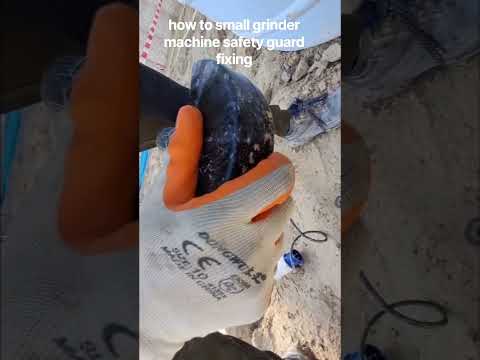
Angle grinders are among the most versatile power tools in any workshop or construction site. However, because their discs rotate at extremely high speeds, they can also pose significant hazards if handled without proper safety measures. Effective machine guarding is your primary line of defense against flying debris, sparks, and shattered grinding wheels.
If your tool's shield is loose or missing, fixing it immediately should be your top priority. Here is a simple, step-by-step guide to properly installing and securing a safety guard on a small grinder.
Why Grinder Safety Guards Are Essential
Never operate an angle grinder without its protective cover. During heavy grinding or cutting, discs can wear down or suddenly fragment. A properly installed guard redirects dangerous flying particles away from the operator's face, eyes, and hands. Following basic machine guarding protocols ensures that minor slip-ups or tool kickbacks do not lead to severe, life-altering injuries.
Step-by-Step Guide to Fixing a Small Grinder Safety Guard
Securing a safety guard on a small grinder requires just a few minutes, but following the correct procedure is vital:
- Disconnect the Power Source: Before touching any mechanical parts, unplug the grinder from the electrical outlet or remove its battery pack to prevent accidental starting.
- Position the Guard: Place the metal guard clamp around the spindle neck. Orient the closed side of the guard so it sits directly between your body and the wheel.
- Align and Fasten: Depending on your grinder model, align the retention ridge or locking tabs. Tighten the quick-release clamp lever or the mounting bolt securely using a screwdriver or hex key.
- Check Clearance: Spin the grinding disc manually to ensure it rotates freely without rubbing or striking the inside of the safety guard.
Best Practices for Tool Safety
Fixing the guard is just one part of routine maintenance. Always inspect your power tools before starting a project. Look for worn clamp mechanisms, missing door bolts, or cracked guard housings. Prioritizing machine guarding alongside wearing appropriate personal protective equipment (PPE)—such as eye protection and heavy-duty gloves—ensures a safe and safe workplace environment every time you turn on your equipment.