In the fast-paced world of industrial manufacturing, keeping operations smooth and downtime to a minimum is the ultimate goal. To achieve this, modern smart factories rely heavily on continuous data collection and digital oversight. However, two critical terms often get confused or used interchangeably: equipment monitoring and asset monitoring.
While both are essential components of a modern machine monitoring strategy, they focus on different aspects of your operational ecosystem. Understanding the key differences is crucial for optimizing your plant's performance, maintenance workflows, and overall bottom line.
What is Equipment Monitoring?
Equipment monitoring operates at the tactical, real-time level. It focuses specifically on the physical operational health, performance, and behavior of individual mechanical units—such as motors, pumps, CNC machines, or conveyor belts.
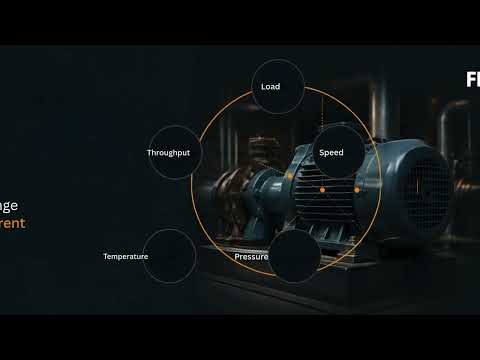
By leveraging IoT sensors, equipment monitoring tracks critical physical parameters like vibration, operational temperature, pressure, and energy usage. The primary goal is immediate condition tracking: detecting anomalies, wear, and potential mechanical failures before they cause unexpected downtime.
What is Asset Monitoring?
Asset monitoring takes a broader, strategic view of the manufacturing floor. In an industrial context, an "asset" encompasses the entire lifecycle, financial value, ownership, physical location, and maintenance history of your machinery.
Rather than looking solely at operational parameters like real-time temperature, asset monitoring tracks where physical tools or machines are located, their utilization rates, warranty status, and financial depreciation over time. It provides plant managers with the high-level business context needed to manage capital investments effectively.
The Synergy: Building an Efficient Industrial Framework
To maximize plant productivity, modern manufacturers shouldn't choose one over the other. True operational intelligence happens when equipment-level data and high-level asset insights converge into a single machine monitoring ecosystem.
When you pair real-time telemetry with long-term asset lifecycle management, you unlock true predictive maintenance. You don't just receive an alert that a spindle is overheating; you immediately know which capital asset it belongs to, its warranty status, and its complete service history, allowing your maintenance team to act fast.
Final Thoughts
While equipment monitoring keeps your daily production line running smoothly, asset monitoring protects your high-value capital investments over time. Unifying both through advanced machine monitoring ensures maximum uptime, lower operational expenses, and a future-ready, data-driven facility.