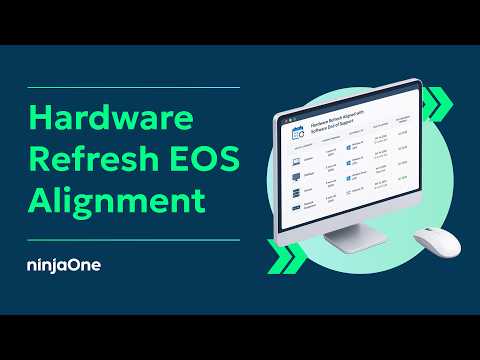
Many IT organizations make a critical mistake: treating physical infrastructure upgrades and software lifecycles as two completely separate planning exercises. When you disconnect these two processes, you risk running legacy software on new infrastructure—or worse, attempting to deploy modern, resource-intensive software on obsolete machines. Synchronizing your technology strategy ensures maximum operational efficiency, robust cybersecurity, and predictable budgeting.
The Hidden Costs of Siloed IT Planning
When software reaches its End of Support (EOS), vendors stop releasing security patches, bug fixes, and performance updates. If your physical equipment isn't scheduled for an upgrade at the same time, you face a difficult dilemma: pay exorbitant fees for extended software support, or rush through an unplanned migration.
By evaluating enterprise hardware assets directly alongside software expiration dates, you eliminate redundant downtime and streamline overall procurement. Managing these lifecycles in tandem prevents emergency upgrades, reduces security vulnerabilities, and optimizes your capital expenditure.
3 Steps to Align Your Tech Lifecycles
- Centralize Your IT Asset Inventory: Create a single source of truth for both physical equipment and software licenses. Track installation dates, vendor support roadmaps, and lease expiration terms in one consolidated system.
- Map System Dependencies: Identify which applications rely on specific system requirements. This ensures that any new hardware you procure will seamlessly support the minimum requirements of your next-generation operating systems and software applications.
- Build a Unified Refresh Roadmap: Coordinate procurement schedules so that physical server and workstation updates coincide naturally with major software support transitions.
Maximize ROI with Integrated Infrastructure Management
Proactive lifecycle alignment turns infrastructure maintenance from a chaotic fire-drill into a strategic business advantage. Coordinating legacy hardware replacements with critical software support milestones guarantees smoother deployments, stronger cybersecurity, and lower long-term costs. Stop managing your physical assets and applications in isolation—align your tech roadmaps today to build a more resilient IT environment.