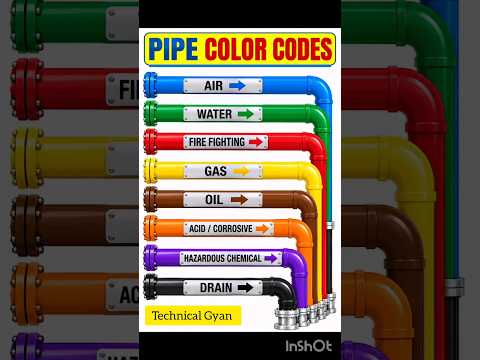
In modern manufacturing and process facilities, safety and operational efficiency go hand in hand. One crucial aspect of industrial engineering is the implementation of standardized pipe color coding. Imagine walking into a massive chemical plant or manufacturing facility—without clear, standardized visual indicators, identifying the contents of complex piping systems would be both dangerous and inefficient.
Why Pipe Color Coding Matters
Pipe color coding serves as a universal visual language for plant operators, maintenance personnel, and emergency responders. By categorizing fluids and gases by specific colors, facilities minimize human error, streamline routine maintenance workflows, and ensure rapid, accurate responses during critical emergencies. In the field of modern industrial engineering, visual management systems like color-coded piping are foundational to creating lean, safe, and productive work environments.
Common Industrial Pipe Color Standards
While specific codes can vary by region and industry standards (such as ASME/ANSI A13.1 in North America), standard color designations typically follow these general guidelines:
- Yellow with Black Text: Flammable, combustible, or toxic fluids and gases (e.g., natural gas, fuel oil, and hazardous chemicals).
- Green with White Text: Potable water or safe, non-hazardous liquids.
- Blue with White Text: Compressed air and other non-hazardous gases.
- Red with White Text: Fire protection materials, including sprinkler lines and fire-extinguishing fluids.
- Orange with Black Text: Corrosive materials requiring specialized safety precautions.
Best Practices for Plant Optimization
Implementing an effective pipe identification system requires more than just applying colored paint or bands. To maintain standard compliance and maximize safety:
- Include Directional Flow Arrows: Always display arrows indicating the direction of fluid movement alongside color bands.
- Use Clear Text Labels: Clearly state the chemical name or fluid type near key access points.
- Strategic Placement: Ensure labels are visible at frequent intervals, especially near valves, junctions, and wall penetrations.
As industrial engineering practices continue to evolve, maintaining strict pipe identification standards remains a fundamental requirement for plant safety, operational clarity, and regulatory compliance.