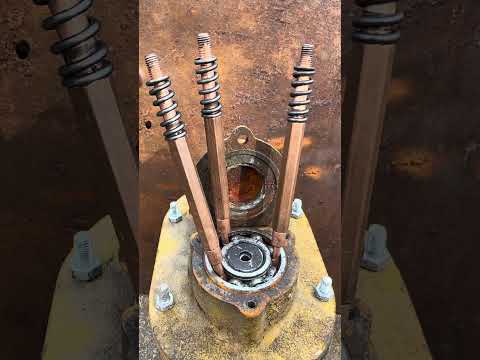
Maintaining heavy equipment and complex mechanical systems requires precision, patience, and the right equipment. Among the most crucial tasks in mechanical maintenance is the safe extraction of worn or damaged bearings. Without specialized tools, removing tightly fitted bearings can cause severe component damage and prolonged operational downtime. That is why high-quality bearing removal pullers have become an indispensable asset for technicians working with modern industrial machinery.
Why Bearing Pullers Are Critical for Maintenance
Bearings are designed to withstand high friction and heavy loads, often resulting in an extremely tight press-fit onto shafts or inside housings. Attempting to force them off using improvised methods like hammers or chisels almost guarantees damage to both the shaft and surrounding components.
A specialized bearing removal puller applies uniform force directly to the bearing ring, allowing for smooth, damage-free extraction. Whether you are performing routine servicing or emergency repairs, using the correct puller ensures that your industrial machinery remains in optimal working condition without unnecessary wear and tear.
Key Types of Bearing Removal Tools
Selecting the right puller depends on the size of the bearing and the force required for extraction:
- Mechanical Pullers: Ideal for smaller to medium-sized applications, these utilize a threaded center screw to generate pull force. Available in two-jaw and three-jaw configurations, three-jaw designs provide superior grip and stability.
- Hydraulic Pullers: Designed for heavy-duty applications, hydraulic pullers deliver immense force with minimal manual effort, making them essential when servicing large-scale industrial machinery.
- Internal Bearing Pullers: Specifically engineered to extract bearings seated inside blind holes where outer jaws cannot reach.
Essential Tips for Safe Extraction
To maximize efficiency and tool longevity, always ensure proper alignment before applying pressure. Uneven pull force can bind the bearing or strip threads. Additionally, applying a small amount of penetrating oil to the shaft beforehand can significantly reduce resistance during the removal process.
Investing in dependable, professional-grade puller tools protects your equipment, speeds up repair times, and keeps your operations running smoothly.