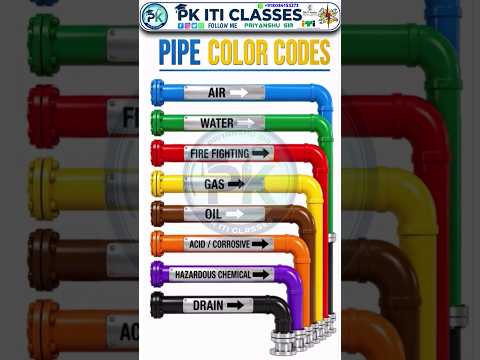
In modern manufacturing facilities and processing plants, safety and operational efficiency are paramount. Have you ever walked through a plant and wondered what those brightly colored pipes overhead actually transport? Understanding pipe color codes is a fundamental aspect of industrial engineering, ensuring that personnel, maintenance crews, and emergency responders can instantly identify fluids and gases at a glance.
The Importance of Standardized Pipe Identification
Without a clear visual identification system, maintenance work becomes dangerous and inefficient. Misidentifying a line carrying toxic chemicals or high-pressure steam can lead to severe workplace accidents, costly downtime, or equipment damage. Standardized color coding systems establish a universal visual language across processing facilities, eliminating guesswork and creating a safer environment for everyone on-site.
Common Pipe Colors and Their Meanings
While specific standards like ASME A13.1 or ISO 20560 govern industrial labeling worldwide, most facilities rely on a recognized color spectrum:
- Red: Fire quenching materials, including fire protection water, sprinkler lines, and fire foam systems.
- Yellow / Orange: Flammable, toxic, or corrosive substances such as natural gas, acids, and high-pressure steam.
- Green: Safe water lines, including potable water, cooling water, and boiler feed water.
- Blue: Compressed air and pneumatic supply systems.
- Brown: Combustible liquids, such as fuel oil and lubricants.
- Purple: Corrosive or toxic liquids specific to specialized chemical processing.
Enhancing Safety Through Smart Visual Management
Clear visual management goes beyond simply painting pipes. Proper labeling includes directional arrows showing fluid flow and text legends identifying the exact contents. By integrating these visual cues into facility design, industrial engineering teams streamline maintenance operations, accelerate emergency response times, and dramatically reduce the risk of human error.
Conclusion
Mastering industrial piping identification is more than just memorizing a color chart—it is a vital safety protocol that keeps complex facilities running smoothly. Whether you are managing a chemical plant or studying industrial engineering, understanding these color codes helps foster a secure, compliant, and efficient work environment.