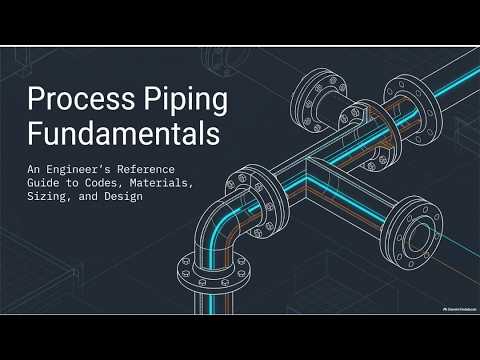
Piping systems serve as the lifelines of power plants, chemical refineries, and manufacturing facilities worldwide. Choosing the correct piping design code is not merely a technical requirement—it is a fundamental pillar of industrial safety. The American Society of Mechanical Engineers (ASME) B31 Code for Pressure Piping provides the definitive industry standards for designing, constructing, inspecting, and maintaining pressure piping systems.
Understanding Key ASME B31 Code Sections
Selecting the right code requires a clear understanding of your facility's operational environment and process conditions. Here is a breakdown of the primary ASME B31 sections:
- ASME B31.1 (Power Piping): Applies to electric power generating stations, industrial power plants, high-pressure heating systems, and district heating plants.
- ASME B31.3 (Process Piping): Widely used in chemical facilities, petroleum refineries, pharmaceutical plants, and cryogenic processing units.
- ASME B31.4 (Pipeline Transportation for Liquids): Covers systems transporting liquids such as crude oil, liquid petroleum gas (LPG), and liquid anhydrous ammonia between terminals and processing plants.
- ASME B31.8 (Gas Transmission and Distribution Systems): Focuses on gas pipelines, compressor stations, regulation stations, and gas gathering lines.
Why Correct Code Selection Matters
Using an improper piping code can lead to catastrophic mechanical failures, regulatory penalties, and costly operational downtime. Following the specific ASME standard ensures that material selection, pressure-temperature ratings, stress analysis, and non-destructive testing meet strict performance thresholds. Aligning your engineering practices with these standards significantly minimizes risk and protects plant personnel, directly reinforcing industrial safety across all operations.
Practical Steps to Choose the Right Piping Code
- Evaluate Operating Parameters: Define the design pressure, temperature range, and chemical characteristics of the fluid being transported.
- Identify Facility Classification: Match your plant type (e.g., power generation vs. chemical processing) with the appropriate B31 section scope.
- Check Jurisdiction and Compliance: Verify local legal requirements and regulatory mandates to ensure full compliance with the adopted standard.
By carefully selecting and implementing the appropriate ASME B31 code, engineering teams ensure system reliability, operational efficiency, and structural integrity for the entire lifecycle of the facility.