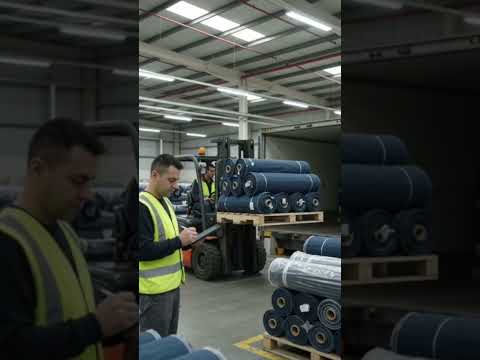
Have you ever thought your favorite pair of jeans could start its life on a fruit farm? In a world desperately searching for sustainable fashion alternatives, an incredible manufacturing revolution is taking place. Millions of discarded banana leaves and plant stems—once treated as agricultural waste—are now being transformed into stylish, durable denim-style pants and shirts.
The Science of Banana Fiber Textiles
Every year, banana harvests leave behind millions of tons of organic waste. Instead of letting these materials rot or burn, forward-thinking manufacturers have developed a way to extract strong, natural cellulose fibers from the plant's pseudostems and leaves. At a modern industrial plant, this raw agricultural waste undergoes a series of mechanical and eco-friendly processing steps to create soft yet resilient yarn.
Once extracted, the raw banana fiber is spun and woven much like traditional cotton. However, unlike conventional cotton cultivation, which requires thousands of liters of fresh water and heavy pesticide use, banana fiber relies entirely on byproduct material that would otherwise go unused.
Inside the Step-by-Step Manufacturing Process
The transformation from plant waste to wearable garment is a marvel of modern green engineering. Here is how the process unfolds inside a specialized industrial plant:
- Extraction & Decortication: Workers collect harvested banana stalks, feeding them into specialized machinery to separate coarse natural fibers from the pulp.
- Softening & Spinning: The raw fibers are treated with non-toxic solutions to enhance flexibility before being blended and spun into fine, strong textile yarns.
- Weaving & Dyeing: The spun yarn is woven on high-speed looms into classic twill denim patterns and dyed using eco-conscious indigo, producing authentic denim texture and aesthetics.
Why Banana Denim Matters for the Future
This innovative process represents a massive leap forward for circular fashion. By converting agricultural leftovers into high-value apparel, the textile sector reduces carbon emissions, saves vast amounts of water, and provides additional income for banana farmers worldwide.
As consumer demand for ethical clothing continues to climb, seeing a high-tech industrial plant dedicated to upcycling organic waste offers an inspiring glimpse into the future of sustainable apparel. Next time you slip into a stylish denim jacket, remember—it might just have originated from a banana crop!